Empowering Communities for Maternal and Child Health
Driving Sustainable Progress and Convergence in Maternal and Child Healthcare Across India
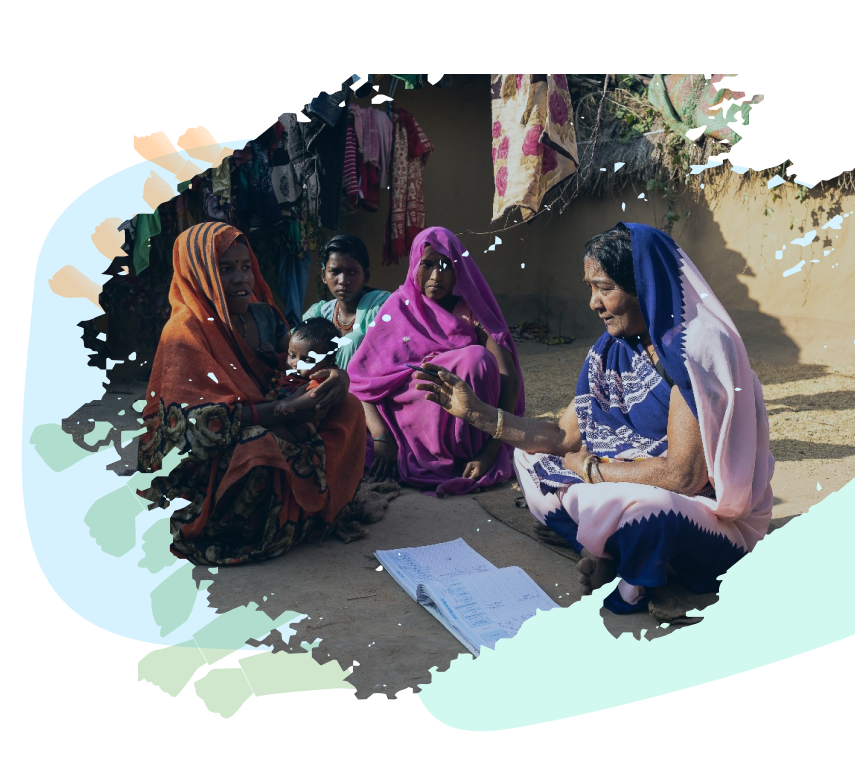
Table Of Contents
Priyanka: A common girl with uncommon dreams
Overview
Celebrating the arrival of a new baby brings immense happiness alongside the significant responsibility of ensuring proper care. Particularly for mothers, the health of their children goes beyond mere importance; it is deeply intertwined with their own well-being. Within a resilient and compassionate society, highlighting the profound importance of maternal and child health is crucial. Their well-being not only strengthens families but also serves as a reflection of broader socio-economic vitality, defining the strength of the community.
Maternal and child mortality has a significant impact on social development, affecting human capital, productivity, economic growth, education, and gender equality. These challenges, which reflect broader healthcare issues, highlight societal disparities and impact community welfare. Addressing this complex landscape requires urgent, comprehensive strategies for sustainable and equitable social progress.
Current Situation
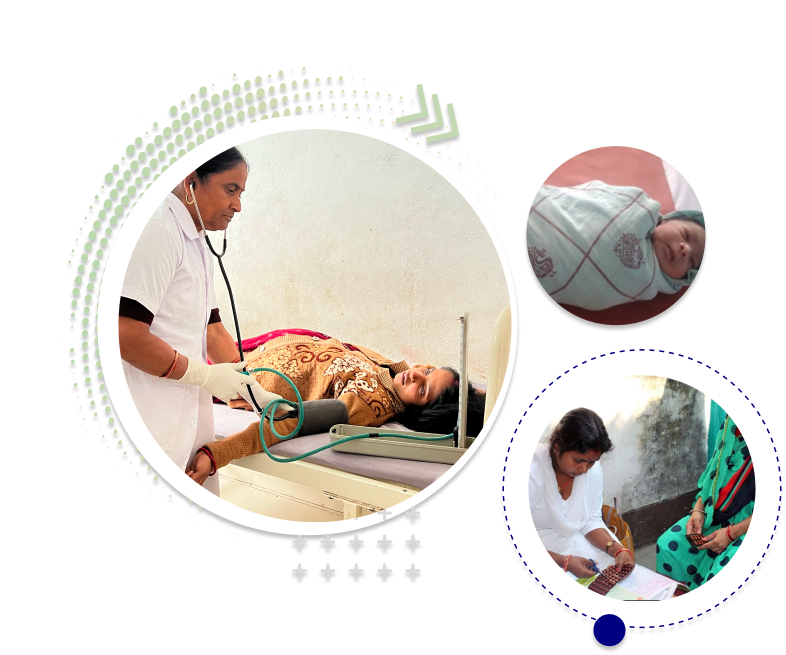
India has made notable progress in recent years in reducing maternal and child mortality, reflecting concerted efforts by the government. However, there remains a gap in achieving the Sustainable Development Goals set for 2030, aiming to reduce maternal mortality to less than 70, under-five mortality to 25, and neonatal mortality to less than 12. Presently, the nation’s Maternal Mortality Ratio (MMR) stands at 97, the Under-Five Mortality Rate (U5MR) at 32 per 1000 live births, with an Infant Mortality Rate (IMR) of 28, and a Neonatal Mortality Rate (NMR) of 20 per 1000 live births. A significant portion (88%) of under-five mortality is attributed to infant deaths, with nearly 71% of these infants not surviving beyond the neonatal period.
About CoE
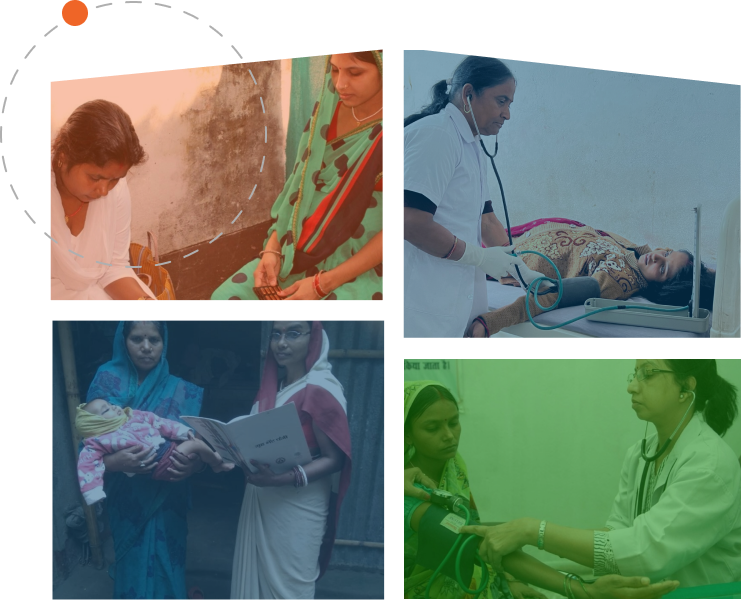
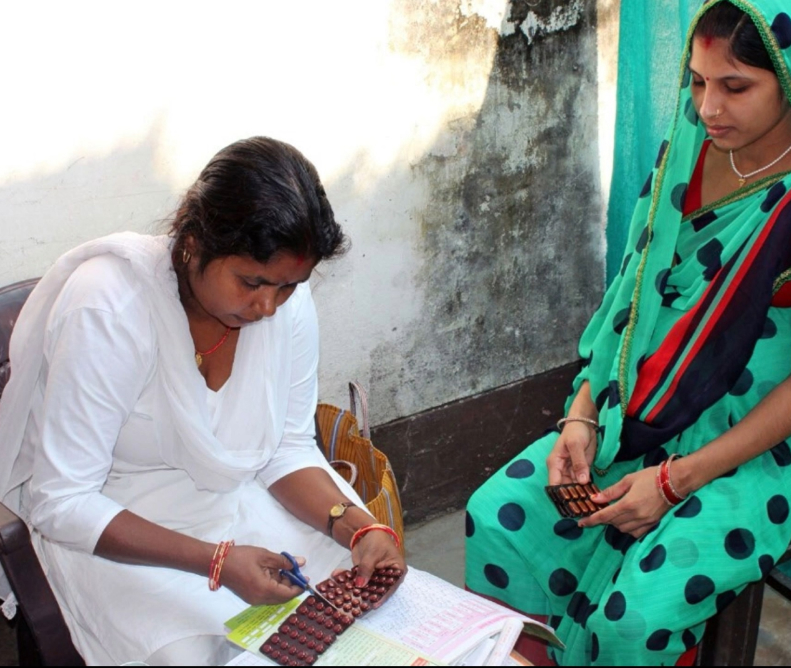
Collaboration and alignment between governmental bodies and local partners play a crucial role in establishing sustainable frameworks for maternal and child healthcare. Embracing democratic principles, the Piramal Foundation has established the Center of Excellence for Maternal, Newborn, and Child Health (CoE-MNCH), aiming to promote community involvement, decentralization, and convergence for sustainable improvements in MCH outcomes.
Objectives Of CoE
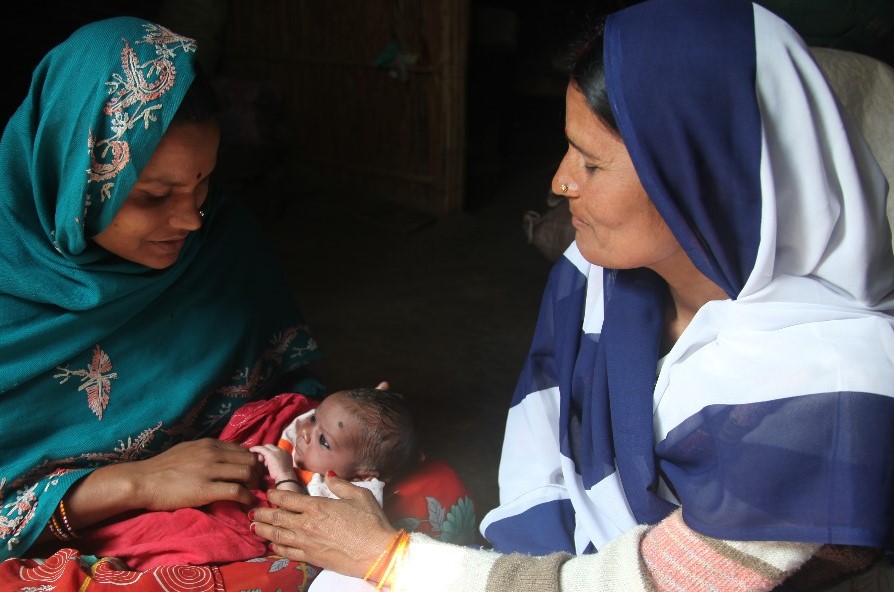

Develop customized strategies to address India’s diverse socio-economic landscapes by carefully analyzing unique challenges and needs in different regions
Foster decentralization and alignment through partnerships with government entities and local channels, leveraging their collective capabilities to implement tailored interventions for achieving SDG targets in maternal and child health
The approach of decentralization and convergence aims to enhance the effectiveness of maternal and child health interventions, contributing to the nation’s well-being
Program Gallery
Get in Touch
If you have any questions or inquiries, do not hesitate to get in touch; we look forward to engaging with you.