
Empowering Communities for a Greener Future
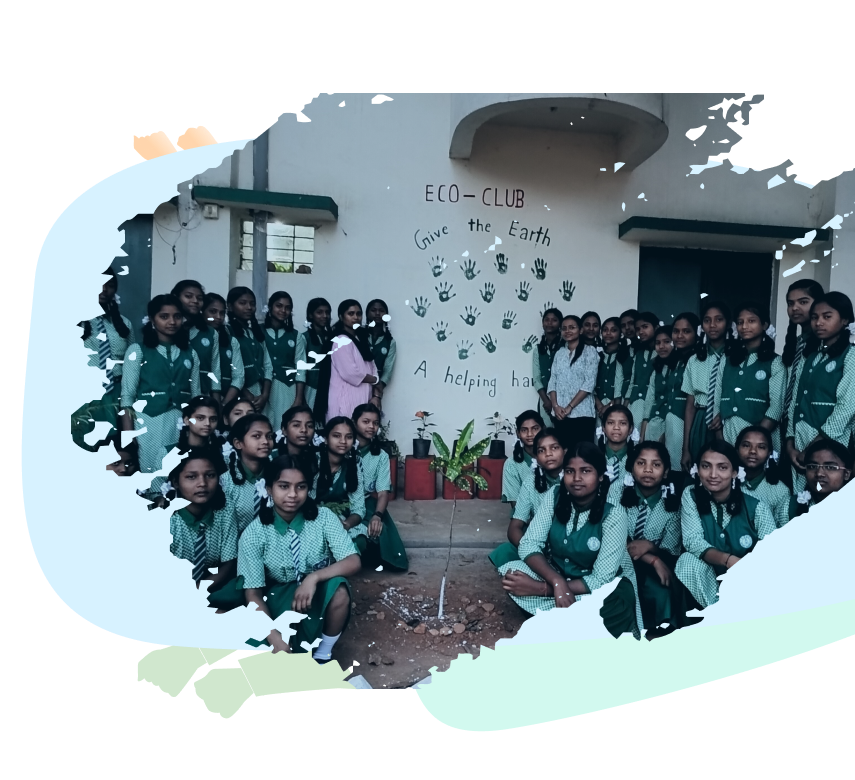
Table Of Contents
Green School
Overview
With climate change emerging as a major threat for future generations and environmental problems being on the rise, the need for educating young students on environmental education and inculcating environmentally responsible behaviour among them is a must. But the current situation specifically in rural schools makes it exceedingly difficult for students to develop an understanding of environmental issues and adopt pro-planet behaviours. Some of the major challenges are as follows:
Significace and Goals
Limited Curriculum Integration
studies, but the depth and quality of education are not up to the mark.
Lack of Environment-Friendly Infrastructure
Inadequate Teacher Training
Ineffective implementation of government initiative
Need of the hour
Interventions
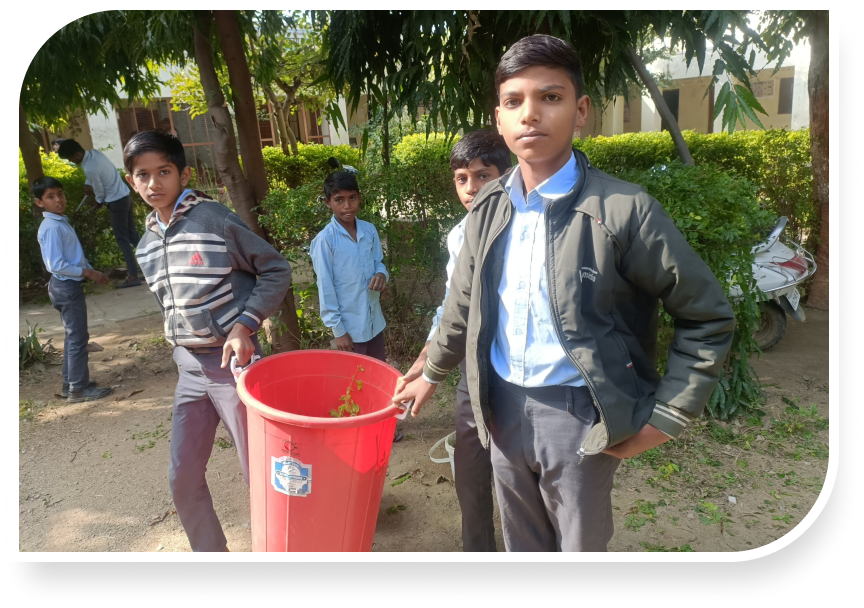

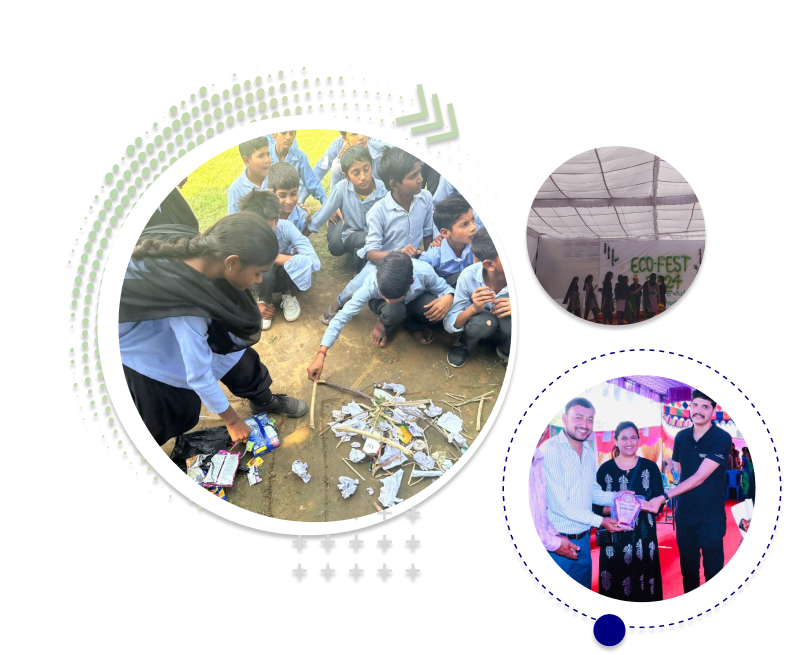
Green Infrastructure: Worked in coordination with the various government departments, panchayats to develop green infrastructure like rain-water harvesting structures, waste segregation system and plantations with in school and trained teachers and school management committee members on maintaining the infrastructures.
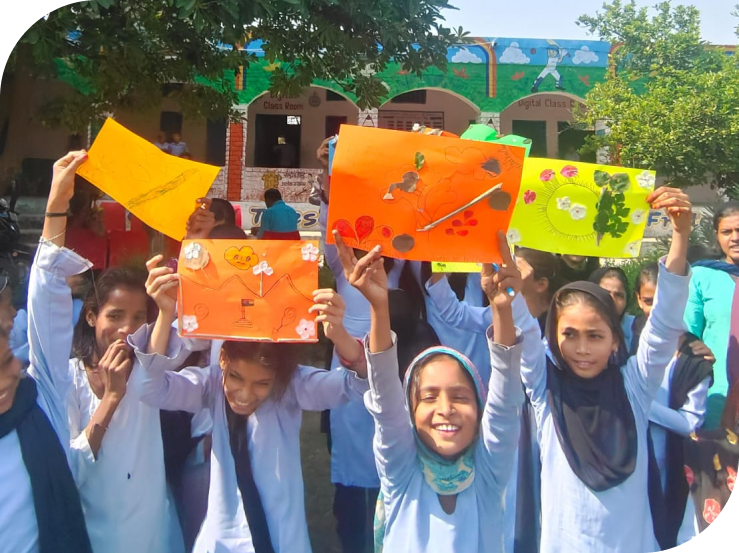
Green Action: Reactivated student led environment initiates like Eco-clubs, leveraged Eco-club funds to drive community-based projects on increasing environmental awareness among community members for students.
Scale of Work
No. of Districts
No. of Schools
No. of Beneficiaries
Impact
No. of Teachers Trained
No. of Eco Clubs Formed
Table Of Contents
Water Steward Sarpanch
Overview
Under the 73 rd Amendment, each gram panchayat is empowered to create the development plan for its own village. The gram panchayats receive funds under the 15 th finance commission every year. They must submit a plan called the Gram Panchayat Development Plan which contains a detailed plan for the utilization of the funds allocated to the panchayat under the 15 th Finance Commission. 60% of the funds received are reserved for water and sanitation initiatives. To guide the sarpanches on how to implement the development plan 9 themes on localized sustainable development goals (LSDGs) have been defined, two of the themes out of the nine are on the environment (Water Sufficient Village and Clean and Green Village). In spite of dedicated fund and guiding themes sarpanches struggle to drive sustainability initiatives and saturate environmental infrastructure in their villages. Some of the major reasons are:
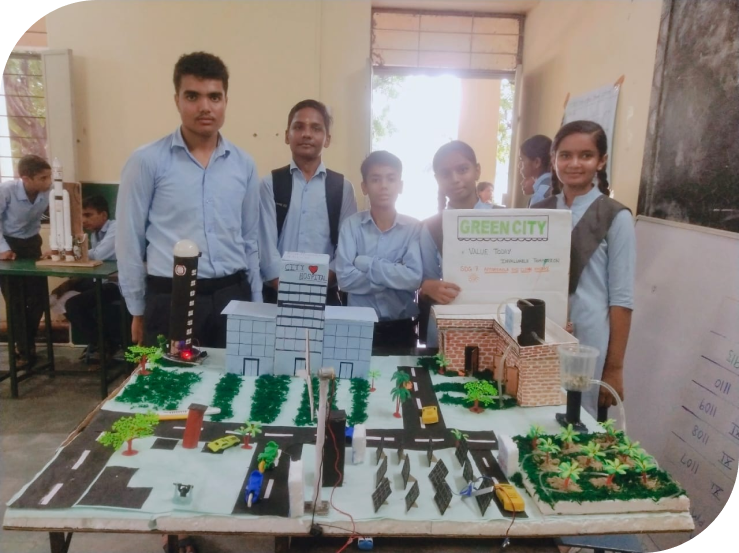
Significace and Goals
Sarpanches are not well informed
Need-based approach not adopted during the GPDP preparation process
GPDP preparation is supposed to be a participative process and the GPDP needs to be prepared as per the needs of the village but it is not done in a participative way and the process is seen just as a means to ensure utilization of funds.
Non-utilization of allocated funds
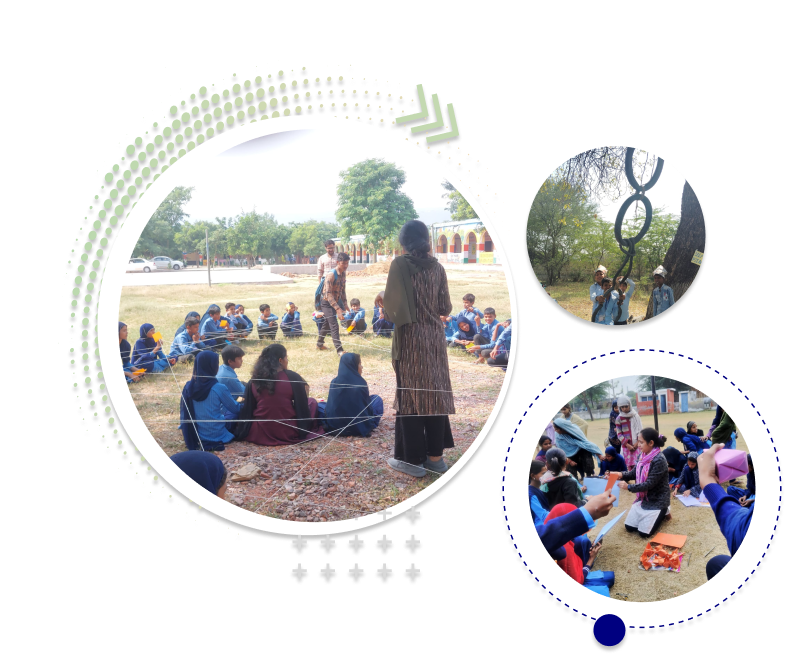
Need of the hour
Interventions
interventions, have carried out the following interventions
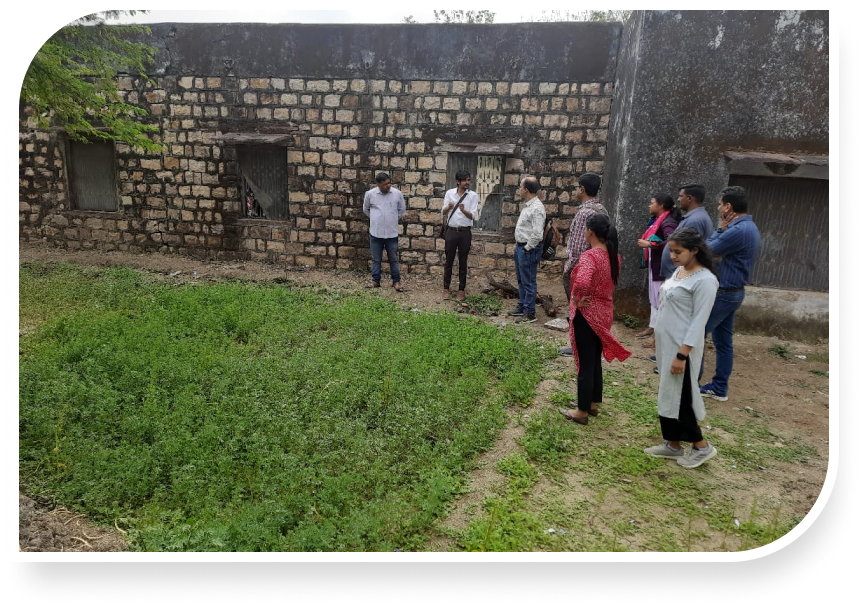
Jalvayu Aayojan: Conducted Participatory Rural Appraisal Activities to ensure need-based interventions are taken into the GPDP, supported sarpanches prepare GPDP based on the priorities of the community.
Jalvayu Kriyanvan: Set up protocols for a community-led governance mechanism to monitor progress on implementation.
Scale of Work
No. of Districts
No. of Beneficiaries
No. of Gram Panchayats:
Impact
No. of Sarpanches Trained
No. of GPDP approved
Program Gallery
Get in Touch
If you have any questions or inquiries, do not hesitate to get in touch; we look forward to engaging with you.