
Khushaal Bachpan Abhiyan: Empowering Communities, Enriching Lives
Overview
Significance and Goals
Program Pillars
- Empower Frontline Workers (FLWs) and Supervisors
- Boost Community Readiness
- Strengthen Systems of Early Childhood Care and Education (ECCE)
Desired Outcomes
- Increase Early Childhood Care and Education (ECCE) services at Anganwadi centers
- Enhance Frontline Workers (FLW)s’ knowledge and skills for high-quality ECCE
- Raise community awareness and demand for holistic child development
- Improve service delivery systems and resource allocation
- Enhance Knowledge, Attitude and Practices (KAP) of Anganwadi Worker (AWW) in early childhood care
- Increase enrollment and improve learning levels (ages 0-6) in Anganwadi Workers (AWW)
- Improve Infant and Young Child Feeding (IYCF) practices, reducing stunting and underweight conditions (up to age 6)
- Elevate overall service delivery quality
Impact Pathways
- Empowering FLWs and supervisors enhances the quality and accessibility of Early Childhood Care and Education (ECCE) services
- Community readiness increases demand for ECCE and proper practices
- System strengthening ensures functional and well-resourced Anganwadi centers for effective service delivery
Theory of Change
Launch initiatives to develop 20,000 exemplary Anganwadi models using the “System Led Community Owned Model” within three years. Aligned with National Curriculum Framework (NCF) 2005, Right to Education (RTE), and the National Education Policy 2020, these models aim to support all Anganwadi Centers in 112 Aspirational Districts, focusing on Early Childhood Care and Education aged 3 to 6 through middle managers at the cluster and block levels.

Milestones Achieved
Established Demonstration Anganwadi centers (towards the goal of 4,600)
Districts where Integrated Child Development Services (ICDS) have been aligned
Children aged between 3 years to 6 years, positively impacted
Parents assisted and supported
Central Ministries and Women and Child Development departments successfully partnered
District administrations and associations successfully integrated
Impact of the Program
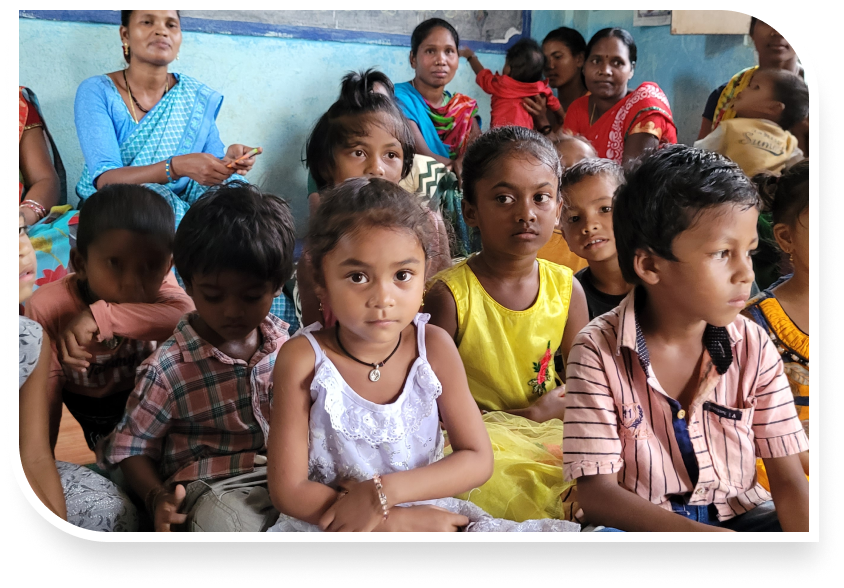

Improve Anganwadi Workers’ (AWW) Knowledge, Attitude, and Practices (KAP) in Early Childhood care, including health, nutrition, and education
Enhance the overall quality of service delivery
Program Gallery

Future Plans of the Program
Research, Innovation & Development:
Boost research capacity with Randomized Control Trials (RCT) and case-control studies
Capacity Building:
Invest in professional development for ECCE educators, emphasizing child-centered teaching, inclusive education, and equity practices
Collaboration & Partnership:
Enhance impact through collaboration, resource sharing, and partnerships
Knowledge Creation:
Conduct workshops, sessions, webinars, readings, and resource facilitation to create and disseminate knowledge for early childhood care and education
Get in Touch