

Catalyzing Change: Enhancing Madrasa Education for Tomorrow
Overview
A Movement to Upgrade Madrasa Schools in India
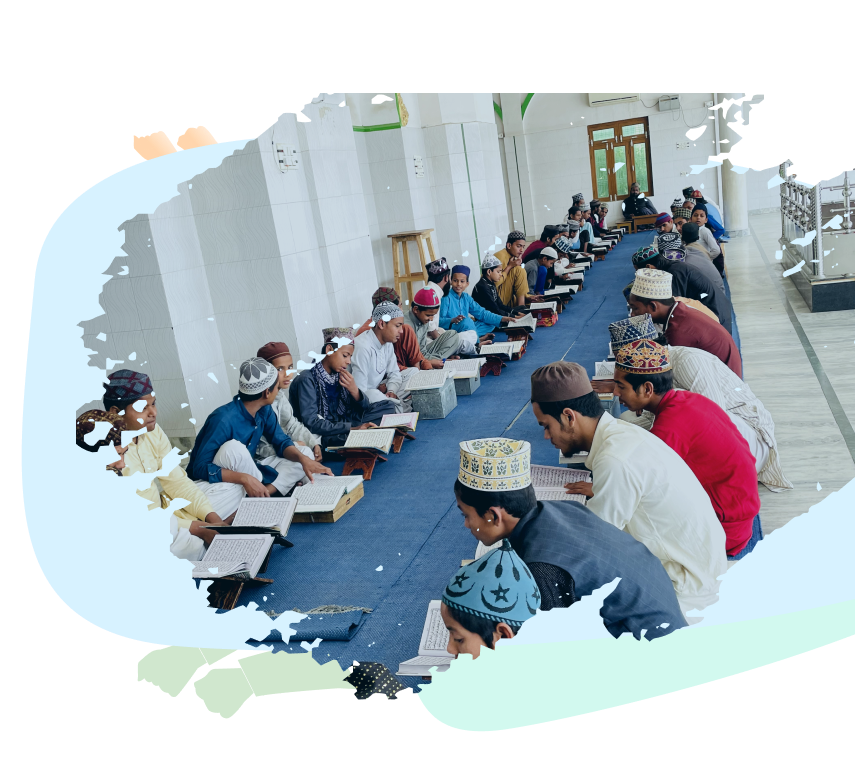
The initiative aims to promote holistic education for minority students in Government-supported Madrasas throughout India, with a primary focus on improving accessibility, quality, and equity in education. The project targets a student population exceeding 4.4 million, utilizing data from 24,000 Govt Aided Madrasas, referencing UDISE.
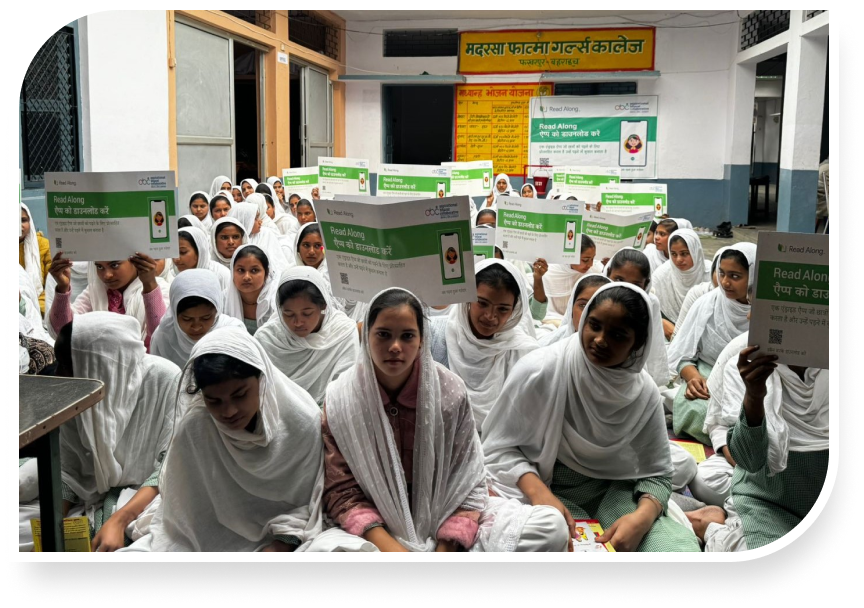
Implemented under the ADC initiative in Aspirational Districts, the “Muqammal Taleem Behtar Mustaqbil” campaign by the Piramal Foundation aims to modernize madrasa education. This initiative provides academic support, including FLN, to these madrasas while preserving the values of Islamic education. The objective is to transform them into model madrasas capable of meeting future employment market and community expectations. The campaign will specifically concentrate on reducing dropout rates, increasing enrollment, introducing engaging prayer meetings, implementing activity-based teaching methods, conducting capacity-building workshops for madrasa teachers, and encouraging active community involvement.
Rationale for the Implementation
Significance and Goals
Enhance Accessibility to Education
Ensure equal opportunities for all eligible minority students in government-supported madrasas to enroll and successfully complete their education. Integrate mainstream subjects such as English, Science, Math, and 21st Century skills into Madrasa Schools. Target enrollment of 100,000 children in 200 madrasas
Implement Technology-Based Personalized Tools
Address student misconceptions, bridge learning gaps, and provide efficient remediation through the introduction of technology-based personalized tools
Improve Educational Quality
Enhance teaching standards, learning resources, and infrastructure in madrasas to deliver a comprehensive and inclusive educational experience
Foster Inclusive Learning Environments
Cultivate a culture of inclusivity, tolerance, and diversity in madrasas to ensure that all students feel respected, valued, and supported
Promote Professional Development
Provide training and capacity-building programs for madrasa teachers to equip them with the necessary skills and knowledge to effectively cater to the diverse needs of minority students
Strengthen Community Engagement
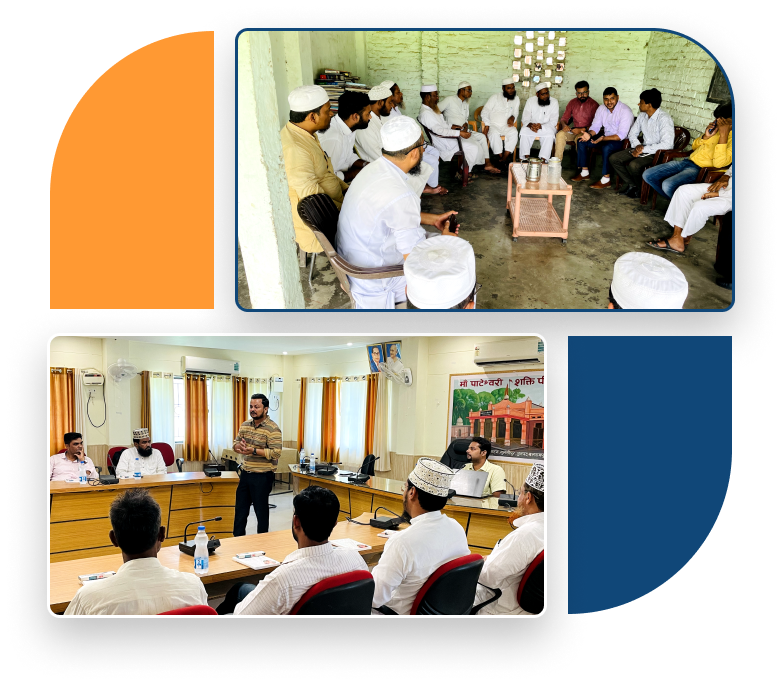
Bolster partnerships with parents, community leaders, and local stakeholders to ensure their proactive involvement in promoting inclusive education
Theory of Change
|
The Madrasa Development Program has the potential to generate a positive influence on the educational scenario in India, promoting inclusivity, tolerance, and comprehensive development for students enrolled in Madrasas. |
Milestones Achieved
Madrasas launched by Muqammal Taleem Behtar Mustaqbil
Aspirational Districts where Madrasas have been launched
Madrasa teachers
Government-aided Madrasas
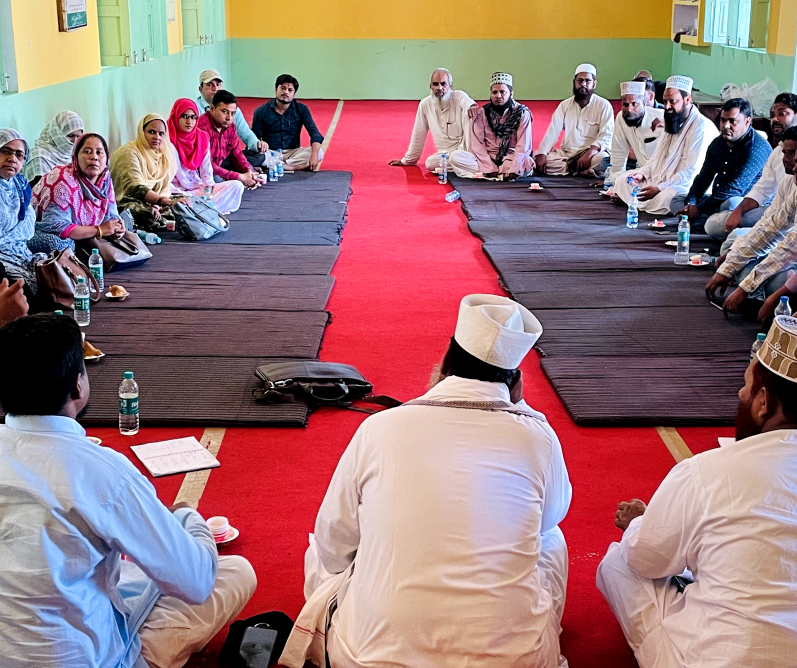
Private Madrasas all across the states of UP, Jharkhand, Haryana, and Bihar participated in Focused Group Discussions
Madrasas in Phase 1 are the focus of building awareness on dropout rates, transition rates, and process enhancement
Impact of the Program
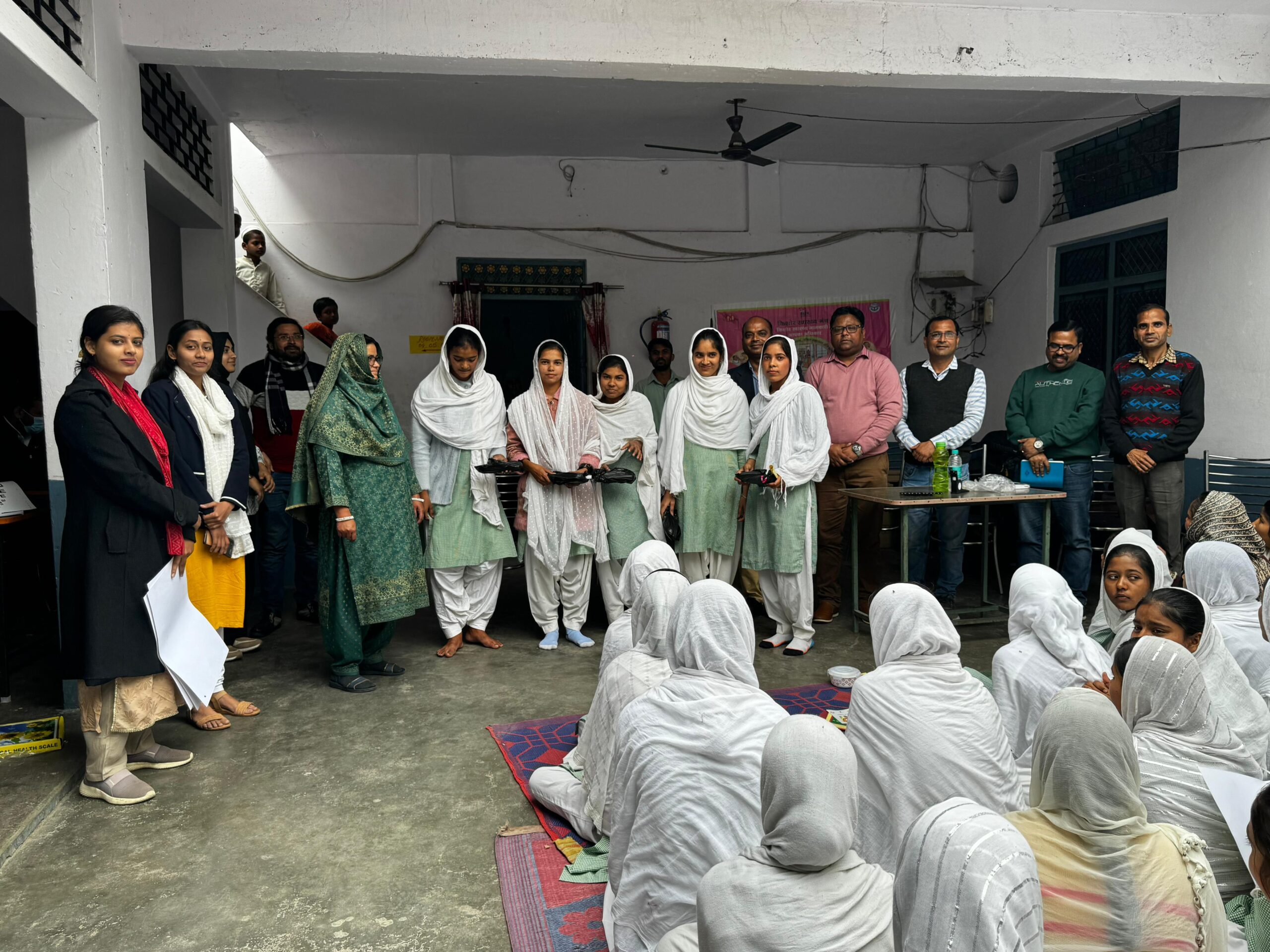

100% Attendance in Master Trainer Workshop
20,000+ Students learnt regarding Pre/Post Matric scholarship
30 Mohalla Classes led by volunteers to improve the basic literacy & numeracy of Madrasa Children
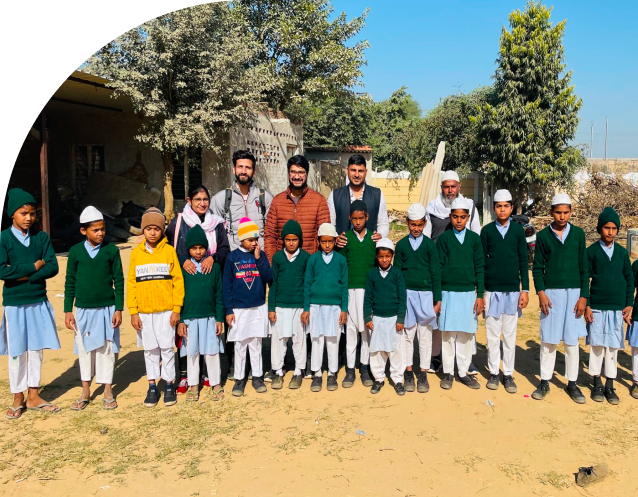
Program Gallery
Future Plans of the Program
Ustaad Fellowship Program: Introducing the Ustaad Fellowship Program as a teacher training initiative to revolutionize Madrasa Teachers
Educational Camps: Impacting classroom methodologies in Madrasas and communities through the digitization of education
Madrasa Resource Centers: Enabling and establishing the Prime Minister’s new 15-Point Program awareness initiative for minorities and the modernization of Madrasas
Get in Touch
If you have any questions or inquiries, do not hesitate to get in touch; we look forward to engaging with you.